Where the Name Came From
The surveyors
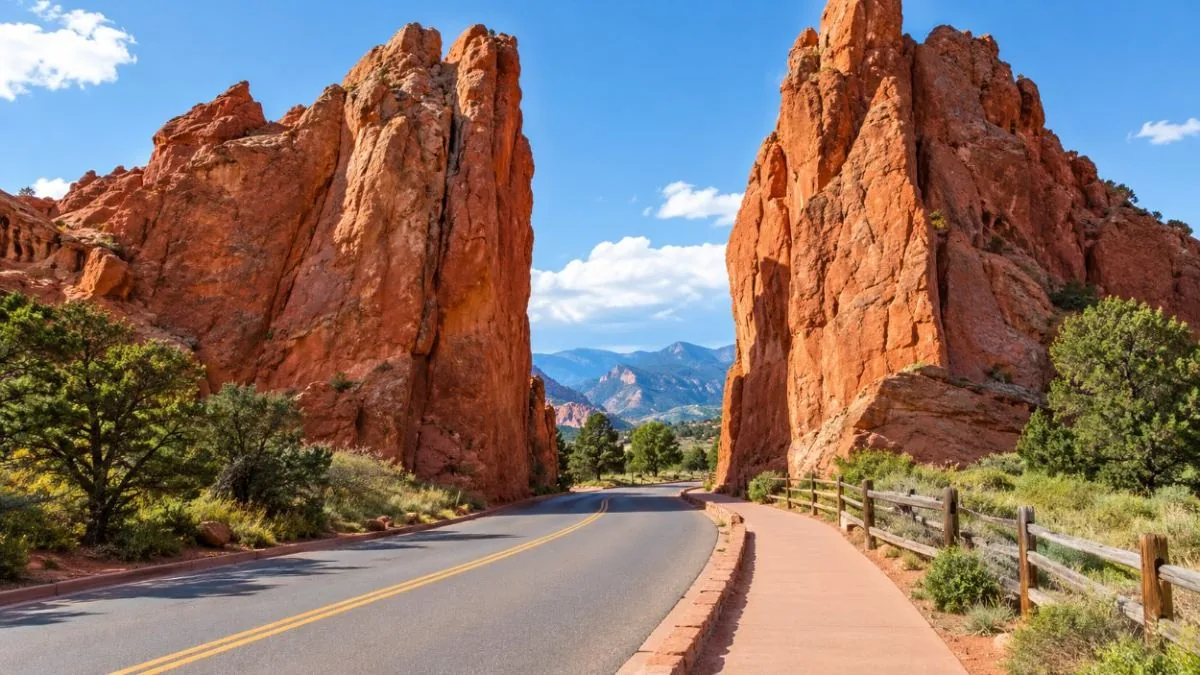
Beach and Cable were surveyors in the area in 1859, the year Colorado City, today’s Old Colorado City, was organised on 13 August. Cable’s remark is the standard account of the name. The dinosaur later found here, Theiophytalia kerri, takes its name from the same idea: “belonging to the gods” plus “garden”; see the dinosaur page.
The Ute before the name
The Ute used the area: the Ute Trail passes through the park, and the Ute used Camp Creek Valley as a base camp before their removal to reservations in the 1870s. The Visitor & Nature Center has a gallery on the Ute (Nuu-ciu) people. The English name comes from Cable, not from a Ute word.
Perkins and the free park
Charles Elliott Perkins bought 240 acres here in the 1870s and later held 480. He died in 1907, and in 1909 his children conveyed the 480 acres to the city on condition that they remain free to the public, with no intoxicating liquors made or sold and no buildings beyond those needed to care for the area. See is it free.
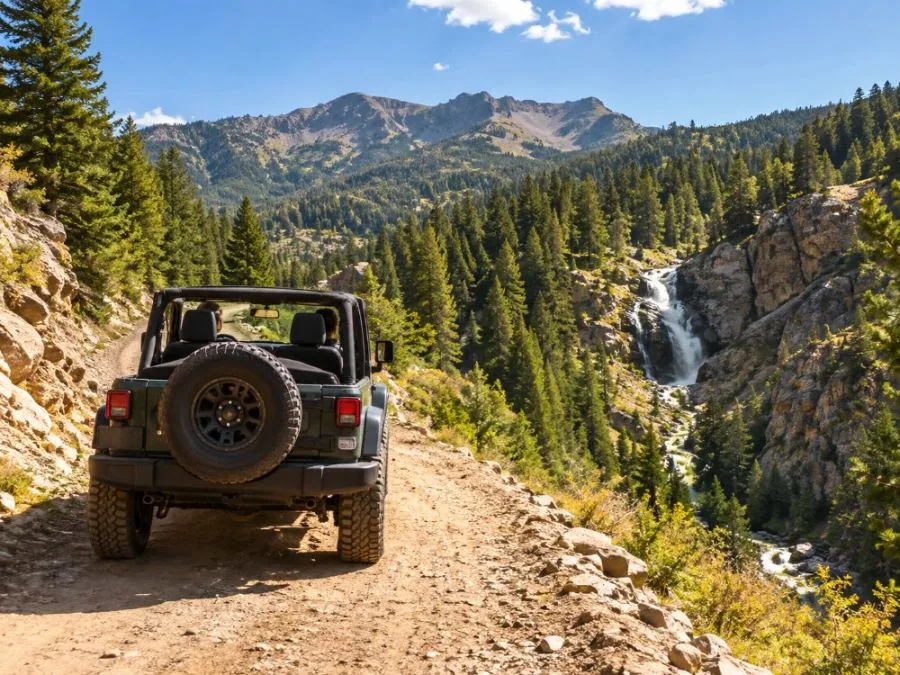
The foothills jeep tour’s reviewers, among them Barbara and Rich from the United States, mention the history and information given at each stop.
Frequently asked questions
Why is it called Garden of the Gods?
In 1859 surveyor Rufus Cable called it “a fit place for the Gods to assemble”. See the complete guide.
Is Garden of the Gods a Native American name?
No. The Ute used the area, but the name comes from Cable in 1859. See the Visitor Center page for its Ute gallery.
Who gave Garden of the Gods to the city?
Charles Elliott Perkins’ children, in 1909, on condition it stay free. See is it a national park.